
 TH
 繁體中文













How to Spend an Afternoon on Song Wat Road, Bangkok
Song Wat is one of the oldest trading streets in Bangkok. It runs along the Chao Phraya River at the edge of Chinatown, and for more than a century it smelled of spices, dried goods and the river. Today the old shophouses hold cafés, galleries and small studios next to the traders who never left. Here is how to spend an easy afternoon there.
A short history of Song Wat Road
Song Wat Road was built in the reign of King Rama V, after a great fire in nearby Sampeng, to give the crowded trading district more room. As the story goes, the name comes from the king himself, who drew the line of the road by hand. “Song Wat” means “drawn by the king”.
For generations it was where Thai and Chinese merchants traded tea, herbs, spices, cloth and imported goods, with riverside warehouses taking cargo straight off the boats. Many of the Chinese style shophouses and wooden warehouses, more than a century old, are still standing.
How do I get to Song Wat Road?
Take the MRT Blue Line to Wat Mangkon station and leave by Exit 3. From there it is about a 10 minute walk down to Song Wat Road. If you come by river, the Ratchawong pier is close by.
Driving is harder, because the street is narrow and busy with deliveries in the morning. There are two or three paid car parks along Song Wat Road. The cheapest is usually at Wat Pathum Khongkha, a short walk further along.
When is the best time to visit?
Come in the afternoon. In the morning the street is still working, with trucks loading and unloading. After lunch it slows down, the light turns warm on the shophouse fronts and the cafés fill up. Some shops and cafés close in the early evening, so come early enough to enjoy them.
What is there to do on Song Wat?
Walk slowly and look up. The best thing about Song Wat is the street itself.
- Old shophouses and warehouses, many with their original wooden shutters and painted signs
- Street art on the side walls, which makes Song Wat a favourite photo walk
- Small cafés and galleries inside restored buildings
- Traditional traders selling spices, seeds and dried goods, as they have for generations
- Glimpses of the river between the buildings
Song Wat also connects easily to the rest of old Bangkok. Yaowarat, Sampeng Lane and Talat Noi are all within walking distance.
A walking route: Yaowarat, Song Wat and Talat Noi
Song Wat Road runs about 1.2 km beside the Chao Phraya River, from Ratchawong Road in the west to Charoen Krung Road at Talat Noi in the east. Yaowarat Road and Sampeng Lane run alongside it, a block or two inland, so you can loop all three in one afternoon. Allow two to three hours, and check opening hours before you go.
- Wat Mangkon Kamalawat, the big Chinese Buddhist temple on Charoen Krung, right by MRT Wat Mangkon.
- Leng Buai Ia Shrine, a Teochew shrine in a lane off Yaowarat, often called the oldest Chinese shrine in Thailand.
- Sampeng Lane (Soi Wanit 1), a narrow lane of wholesale shops, one block inland from Song Wat.
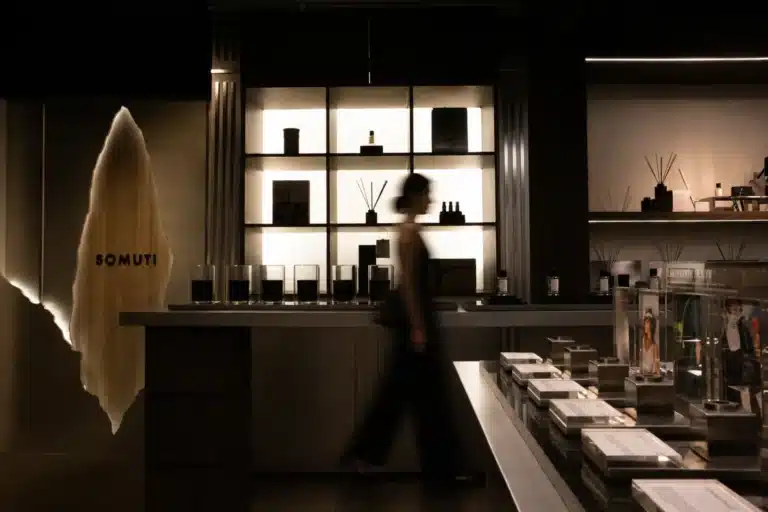
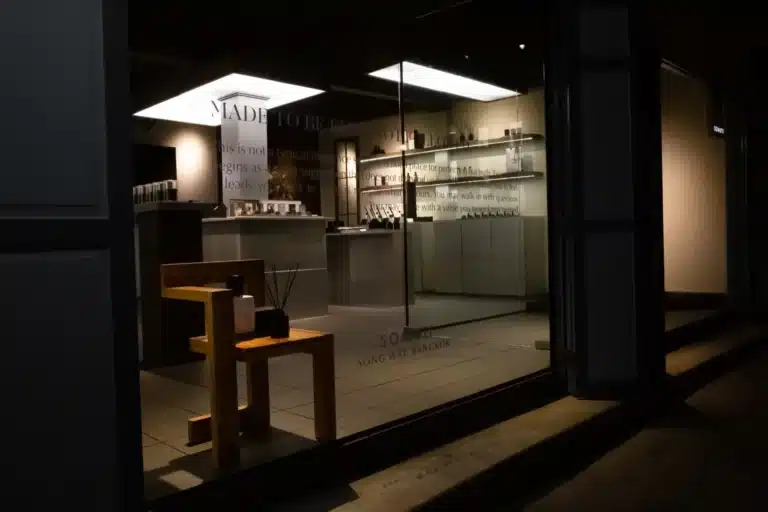
- Song Wat Road, starting from the Ratchawong end: old shophouses, spice traders and cafés. Along the way you pass Luang Kocha Itsahak Mosque, and our shop is right in front of it.
- Wat Pathum Khongkha, at the eastern end of Song Wat.
- Talat Noi: So Heng Tai Mansion, Chow Sue Kong Shrine, Holy Rosary Church and the old car-parts alleys with their wall paintings.
- Back to Yaowarat Road in the evening, when the street food stalls open.
Talat Noi, a 10 minute walk away
Talat Noi is one of the oldest riverside communities in Bangkok. Portuguese Catholics settled here after the fall of Ayutthaya and founded Holy Rosary Church in 1787. Hokkien Chinese traders followed and founded Chow Sue Kong Shrine in 1804. Today you can sit down at So Heng Tai, an old Hokkien courtyard house that is now a café, then wander the alleys of second-hand engine parts and wall murals.
Chinatown and Yaowarat shopping
Yaowarat Road is the main street of Bangkok’s Chinatown, built in the reign of King Rama V. By day it is gold shops, Chinese herbal shops and dried goods. At night the street food takes over. For wholesale prices, walk on to Sampeng Lane. For something to take home that smells of the area, stop by Somuti on Song Wat. Our Songwat 5 perfumes come from one day on this street.
Song Wat cafés
Song Wat has become one of Bangkok’s favourite café streets. A few that food writers recommended in 2025 and 2026:
- Song Wat Coffee Roasters, a roastery in a restored shophouse
- Koff & Bun, coffee with Chinese buns
- Local Boys Coffee, coffee sealed in cans, in a neon-lit room
- TAY, naturally leavened pastries and babka
- Terroir, single-origin coffee that changes often
- Choch, bean-to-bar chocolate
- Gu Long Bao, Teochew steamed buns from an old family recipe, closed on Sundays
Cafés here change often, so check before you go.
Events on Song Wat
Song Wat Week returns from 19 to 22 November 2026, with the street’s cafés, restaurants and shops taking part. It’s a good time to see the whole road at its liveliest.
Sources: Wikipedia, Song Wat Road · Wikipedia, Talat Noi · Thai PBS World · Daniel Food Diary · Time Out Bangkok
What does Song Wat smell like?
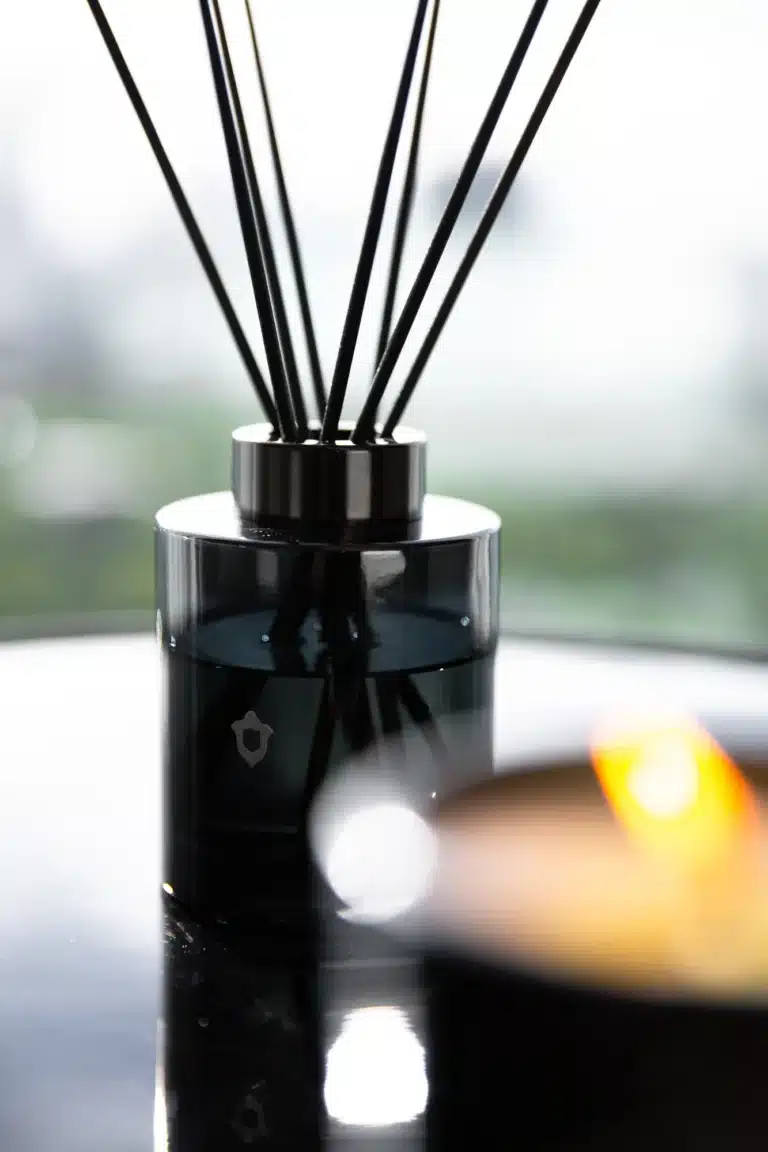
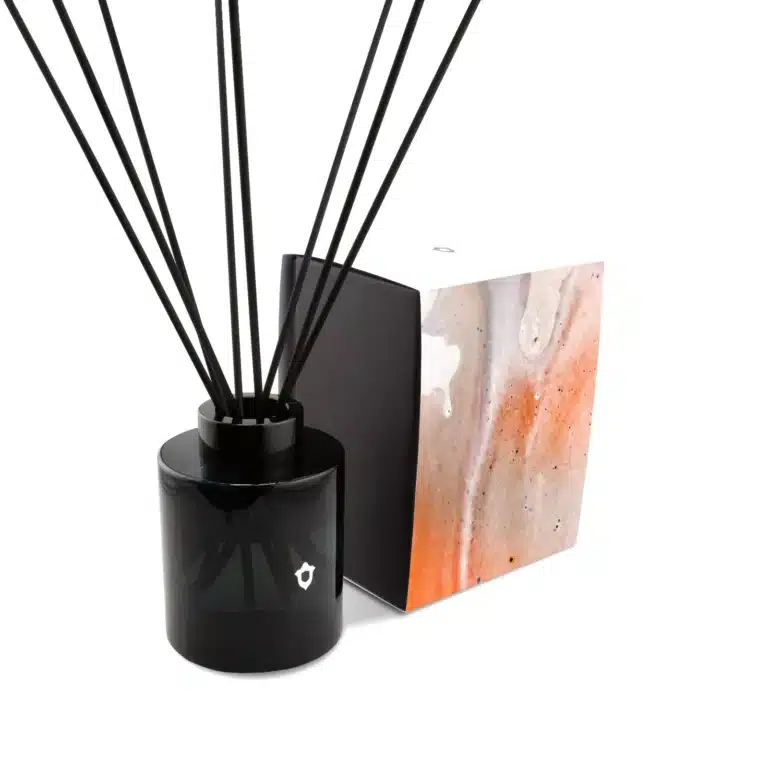
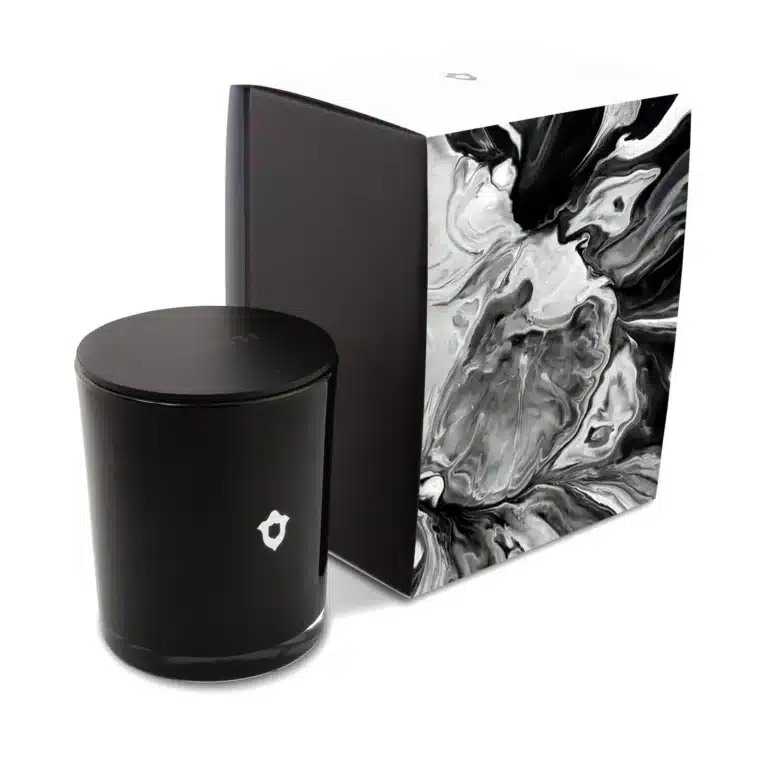
Walk the street and you will notice it has a scent of its own. Cinnamon and star anise from the spice shops, dried tea, old wood, rain on the river. We bottled one day on this road as Songwat 5, five Eau de Parfum.
Walk the street and you will notice it has a scent of its own.
- Afternoon Habit, three in the afternoon in a café, when staying is easier than leaving
- First Departure, stepping back out into the street, green tea and earth
- Second Eiffel, rain on old windows and incense from a doorway
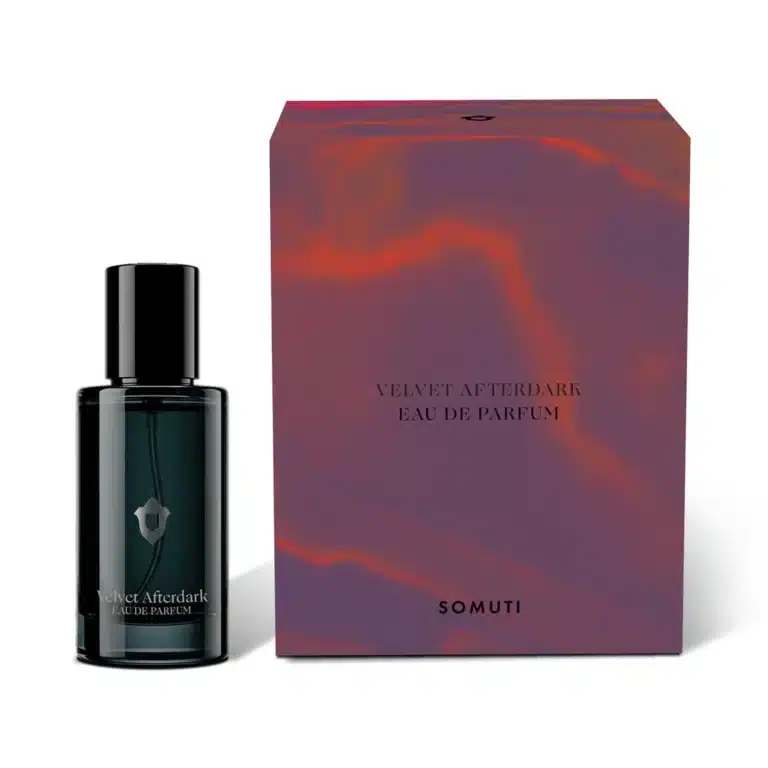
- Velvet Afterdark, the street at night, one window still glowing
- Fading Distance, first light on the river before the city wakes
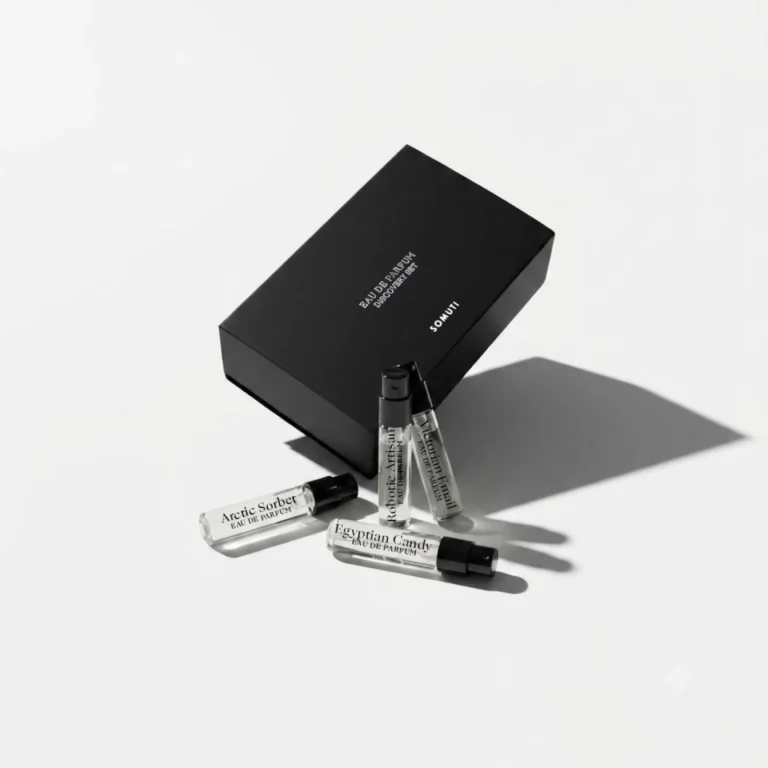
To take all five home, the Songwat 5 Set holds each one in a 3ml vial for 990 THB. It is the most Song Wat souvenir we make.
Shopping for perfume while you are here? See our guide to Thai perfume in Bangkok.
Where can I smell Songwat 5?
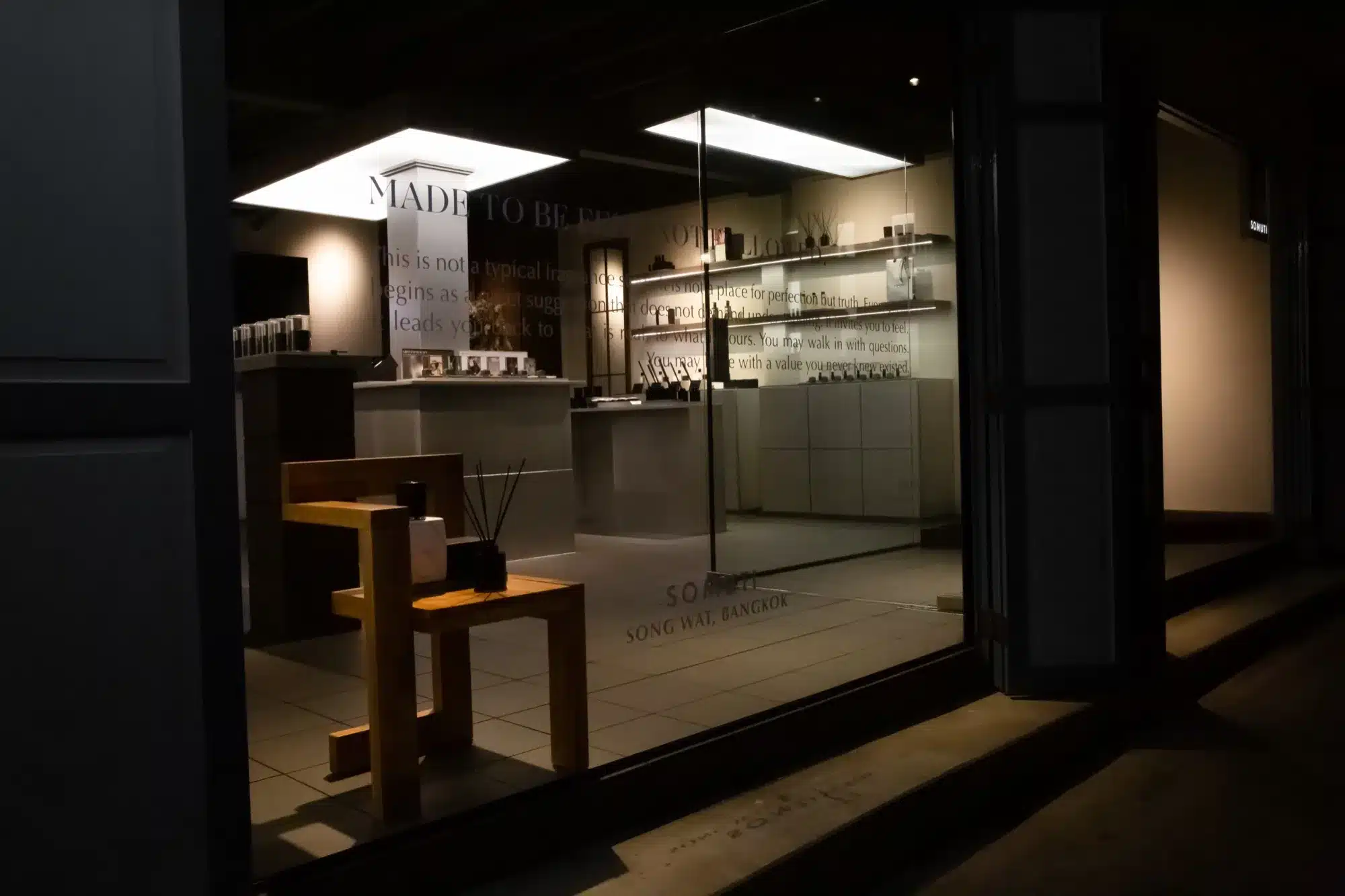
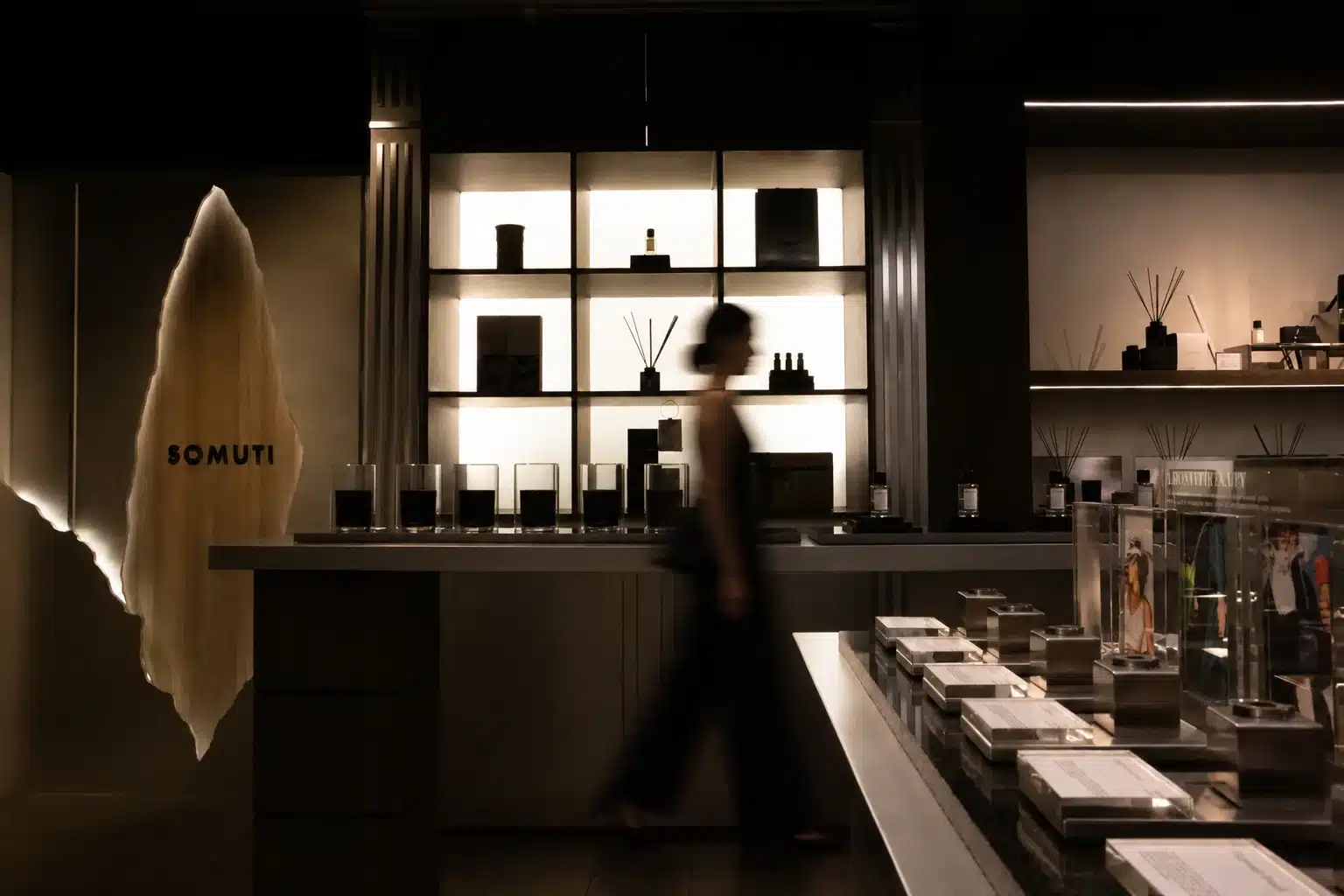
Our shop sits at 981/5 Song Wat Road, in front of Luang Kocha Mosque, the old mosque on the street.
Every scent is on testers in the shop, so you can smell all twelve before you choose. We are open every day from 11:00 to 19:00, and we take Alipay, WeChat Pay and cards. We do not take cash.
See the map and shop details or read the Songwat 5 stories.
Good to know
- Wear comfortable shoes. The pavements are narrow and uneven in places.
- Bring water. The street gets hot in the afternoon, and shade comes and goes.
- Be kind with your camera. Song Wat is still a working street and people live here.
Song Wat Road FAQ
Is Song Wat Road worth visiting?
Yes, if you enjoy old streets, cafés and street art. It is one of Bangkok’s oldest trading streets, with century-old shophouses, spice traders and small cafés, and Yaowarat and Talat Noi are within walking distance.
What time does Song Wat Road open?
Song Wat Road is a public street, so you can walk it at any time. Its shops and cafés keep their own hours, and some close in the early evening. Our shop is open every day from 11:00 to 19:00.
What is the best time to visit Song Wat Road?
The afternoon. In the morning the street is busy with deliveries; after lunch it slows down, the light is warm and the cafés fill up.
Is Song Wat Road part of Chinatown?
Yes. It runs along the Chao Phraya River at the edge of Bangkok’s Chinatown, a block or two from Yaowarat Road and Sampeng Lane.
How do I get to Song Wat Road by train?
The nearest station is MRT Wat Mangkon on the Blue Line: leave by Exit 3 and walk about 10 minutes. There is no BTS station nearby, so from the BTS change to the MRT Blue Line. You can also come by boat to Ratchawong pier.
How long do I need?
Allow two to three hours to walk Song Wat together with Yaowarat and Talat Noi in one afternoon.
